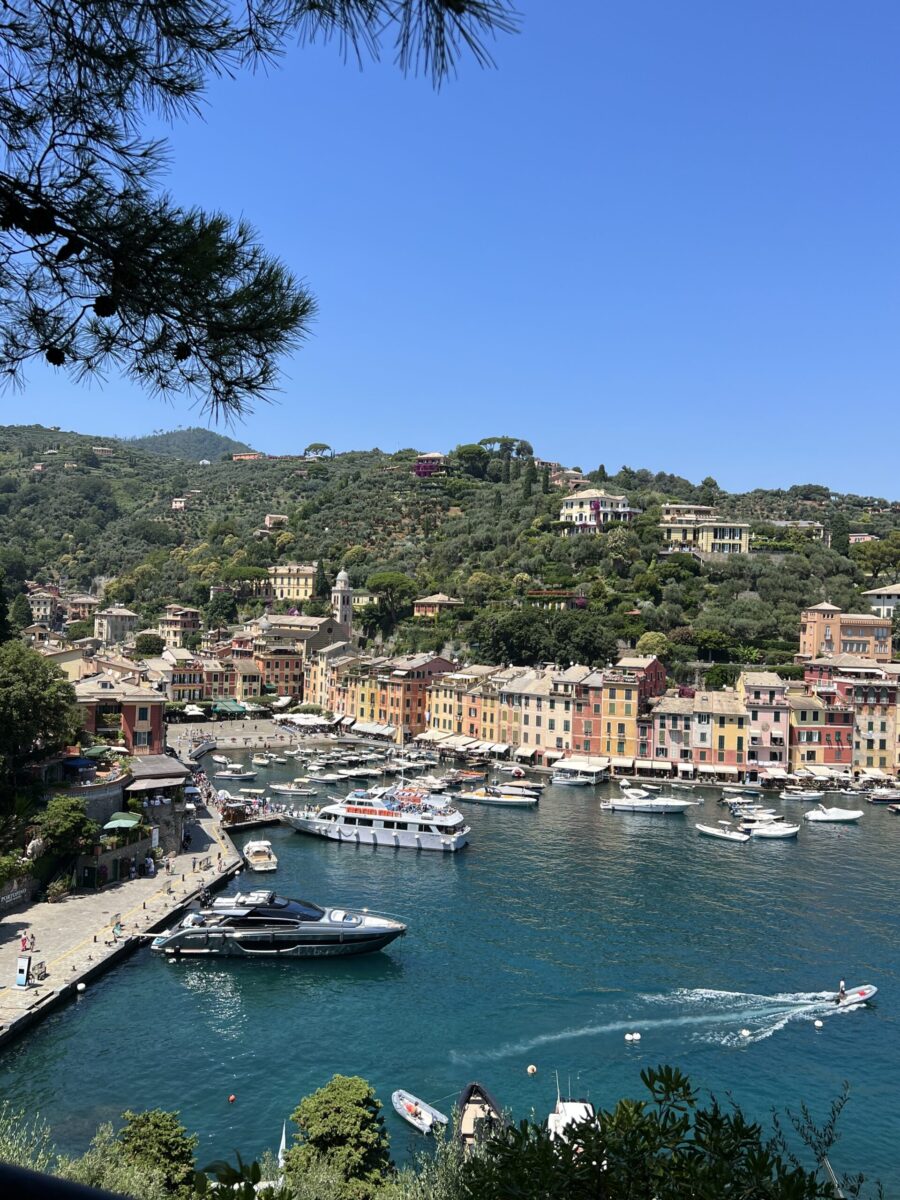
Italy Unfiltered: My First-Person Guide to Its Cities, Culture, Food, and Everyday Life

Italy is one of the most talked-about countries in the world, yet no list of “top places to visit” ever truly captures what it feels like to be here. After living, wandering, eating, and exploring different regions of Italy, I realized this country is far more layered not only Rome, Venice, or Florence, but also small towns, regional cultures, and local rhythms that don’t always make the guidebooks.
This is my detailed, firsthand experience of Italy: its major cities and regions, what to see and do, cultural treasures, food and lifestyle, hidden gems worth seeking, and honest reflections on both the advantages and challenges of visiting and living here.
Why Italy Is More Than a Tourist Checklist
Before traveling extensively in Italy, I thought I understood the country through postcards: the Colosseum in Rome, canals in Venice, Renaissance art in Florence, pizza in Naples. But when I experienced daily life, the markets, neighbourhood cafes, regional festivals I realised Italy is a living story, not a postcard.
This country’s charm doesn’t come from just one city or attraction. Its magic lies in the subtle, human moments: a conversation at a piazza bench, a glass of wine at sunset on a hilltop, a trattoria recommendation from a stranger that becomes the highlight of your trip.
Major Cities and Regions What I Loved About Each
Rome The Eternal City Where Every Step Is History
Rome feels alive in layers. You walk past a sleek café and suddenly turn a corner into ruins from 2,000 years ago. My first visit was overwhelming; my fifth still revealed something new.
Must-See:
- Colosseum and Roman Forum — not just landmarks, but remnants of everyday life from ancient civilization.
- Pantheon — a breathtaking example of engineering that still works perfectly today.
- Trastevere — narrow streets, authentic trattorie, and a sense of local Rome outside tourist zones.
What I Learned:
Rome teaches patience. Lines are long, crowds are frequent, but waiting often leads to chance encounters and stories you don’t get in guidebooks.
Venice Beyond the Canals
Venice feels like a dream you wake up in. Its canals and bridges are iconic, but the quiet sestieri (neighbourhoods) like Cannaregio or Castello reveal how Venetians actually live.
Highlights:
- St. Mark’s Square and Basilica — best experienced early morning before crowds arrive.
- Rialto Market — where locals shop for seafood and produce.
- Hidden Campi — small squares where older Venetians gossip and children play.
What I Learned:
Venice isn’t just a destination it’s a rhythm. Leave the main paths and pay attention to how water shapes daily movement.
Florence Renaissance in Action
Florence feels like walking through time. Art and architecture are everywhere, yet the city retains an honest, local energy.
Essentials:
- Uffizi Gallery — unforgettable works by Botticelli and Michelangelo.
- Duomo & Brunelleschi’s Dome — climb for unmatched views.
- Oltrarno District — artisans, leather workshops, and quiet trattorie.
What I Learned:
Florence taught me that art isn’t a museum category here it’s part of life.
Naples and the South Soulful, Spicy, Unfiltered
If Rome is layered and Florence refined, Naples is alive. The South has an edge, a distinct identity steeped in passion and history.
Must-Dos:
- Pizza in Naples — the original, simple, and unforgettable.
- Pompeii & Mount Vesuvius — living history with dramatic scenery.
- Amalfi Coast — rugged cliffs, seaside villages, and sweeping views.
What I Learned:
The South isn’t polished; it’s expressive. It challenges you, rewards curiosity, and tastes incredible.
Milan and the North Modern Italy
Milan is Italy’s economic heartbeat. It’s sleek, efficient, and cosmopolitan.
Top Spots:
- Duomo di Milano — a gothic marvel.
- Navigli Canals — aperitivo culture at its peak.
- Fashion District — Italian design in every window.
What I Learned:
Milan feels like Italy’s future: fast, global, and always on the move.
Cultural Highlights That Don’t Fit in a Snapshot
La Dolce Vita Is Real But Subtle
It’s not just a phrase; it’s a pace. Italians savour food, conversations, and sunshine. Somehow every city feels designed for lingering a latte at midday, an aperitivo at golden hour, a passeggiata (evening stroll) through a piazza.
Festivities and Local Traditions
Traveling outside peak seasons reveals the heart of local culture:
- Ferragosto in August — summer celebrations across the country.
- Puglia’s Festa dei Santi Medici — religious processions and communal meals.
- Winter Christmas markets in Trentino-Alto Adige cozy and aromatic.
Each region has its own calendar.
Food, Wine, and Everyday Italian Eating
Beyond Pizza and Pasta
Italian cuisine is regional:
- Bologna: Tagliatelle al Ragù
- Sicily: Cannoli and granita
- Tuscany: Ribollita and Chianti wines
- Liguria: Pesto and focaccia
Markets became my favorite restaurant: seasonal produce, local cheeses, and fresh bread shaped my days.
Coffee Culture That Isn’t About Coffee
In Italy, coffee is a rhythm.
Espresso at the bar in the morning. Macchiato before work. Never to-go; always standing, always communal.
Interesting Things to Do From Tourist Must-Sees to Local Secrets
Explore Hidden Neighborhoods
- Testaccio (Rome) — local eateries and food culture.
- San Frediano (Florence) — artisans and daily life.
- Isola (Milan) — nuanced nightlife and cafés.
Nature and Coastlines
- Cinque Terre — hiking between pastel villages.
- Sardinia — beaches with Caribbean blue water.
- Lake Como — serenity and villa gardens.
Museums and History
- Vatican Museums — a staggering collection.
- Pompeii — time frozen beneath ash.
- Egyptian Museum in Turin — deep history outside usual routes.
Advantages of Visiting or Living in Italy
Pros
- Culture everywhere — art, history, architecture on every corner.
- Food culture is rich and regional — meals feel memorable.
- Walkable cities — you explore more on foot than you think.
- Public transport connects regions efficiently.
- Quality of life emphasis — slower pace, more time for people.
Challenges and Realities
Cons
- Tourist crowds in peak season — especially Rome, Venice, Florence.
- High prices in major cities — accommodations and attractions.
- Pickpocketing hotspots — common in busy tourist areas.
- Regional differences in service quality — the North can be efficient; the South more relaxed.
- Language barriers outside major centers — English isn’t always widely spoken.
These aren’t reasons to avoid Italy but context for a smoother, more enjoyable journey.
What Italy Taught Me Over Time
Italy is both a destination and a teacher. It shows you how history lives in everyday streets, how seasons shape culture, how food binds families and traveler’s alike. It reminded me that travel isn’t only about seeing sights, but inhabiting moments.
If you visit, don’t rush. Italy rewards curiosity and presence.
Final Thought
Italy isn’t one story. It’s many stories woven across cities, regions, meals, and seasons. The article above captures only a fraction of what I experienced. For deeper tips, local routes, hidden gems, and honest reflections on travel planning explore the rest of my blog.
If this kind of experience driven travel speaks to you, then explore the other articles on the blog.
Along the way, I share real stories, local rhythms, and places that often only reveal themselves when, and only when, you slow down enough to truly notice.
Frequently Asked Questions About Traveling to Italy
Yes. Italy is one of the best countries for first-time traveler’s because it combines history, culture, food, and walkable cities. From my experience, it offers both iconic attractions and everyday moments that feel authentic and memorable.
Ideally, at least 10 to 14 days. Italy is best experienced slowly. Rushing between cities limits your understanding of regional cultures, food, and daily life.
Rome, Florence, Venice, Naples, and Milan are essential starting points. Each city represents a different side of Italy, from ancient history to modern lifestyle.
Italy can be affordable or expensive depending on your choices. Major cities cost more, but local food, regional trains, and smaller towns offer excellent value if you avoid tourist traps.
Pros: quality of life, food culture, history, strong community values.
Cons: bureaucracy, slower services, seasonal tourism pressure in popular areas.
Every time you “buy me a coffee,” you’re not just supporting a blog you’re helping turn the world into a classroom.
Your generosity keeps Nomad Pathways alive: it powers train tickets to forgotten villages, hostel stays in cobblestone alleys, and conversations with locals who share stories no guidebook can capture Are You Packing Everything You Really Need for Your Next Trip?
Don’t let missing essentials ruin your adventure! From top rated luggage to travel friendly clothes and clever accessories, our ultimate travel checklist ensures you pack smarter, travel lighter, and enjoy every moment.Click the link to uncover the must-have travel items every globetrotter swears by.
[See the ultimate travel essentials now!]
Share this content:


Post Comment