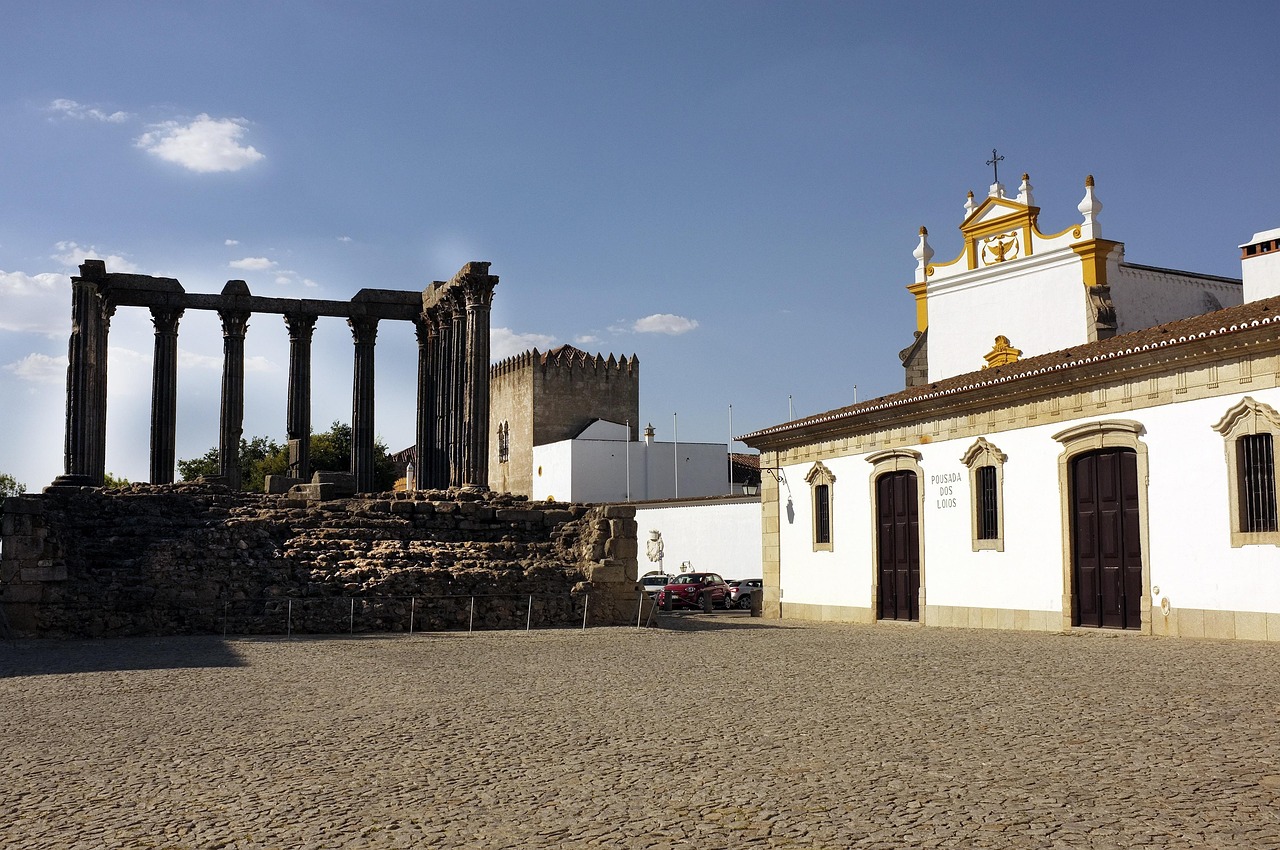
Évora, Portugal: Why This UNESCO City Is More Than a Day Trip

Discover Évora beyond the Roman Temple. History, wine, local life, and why staying overnight reveals the true soul of Portugal’s Alentejo.
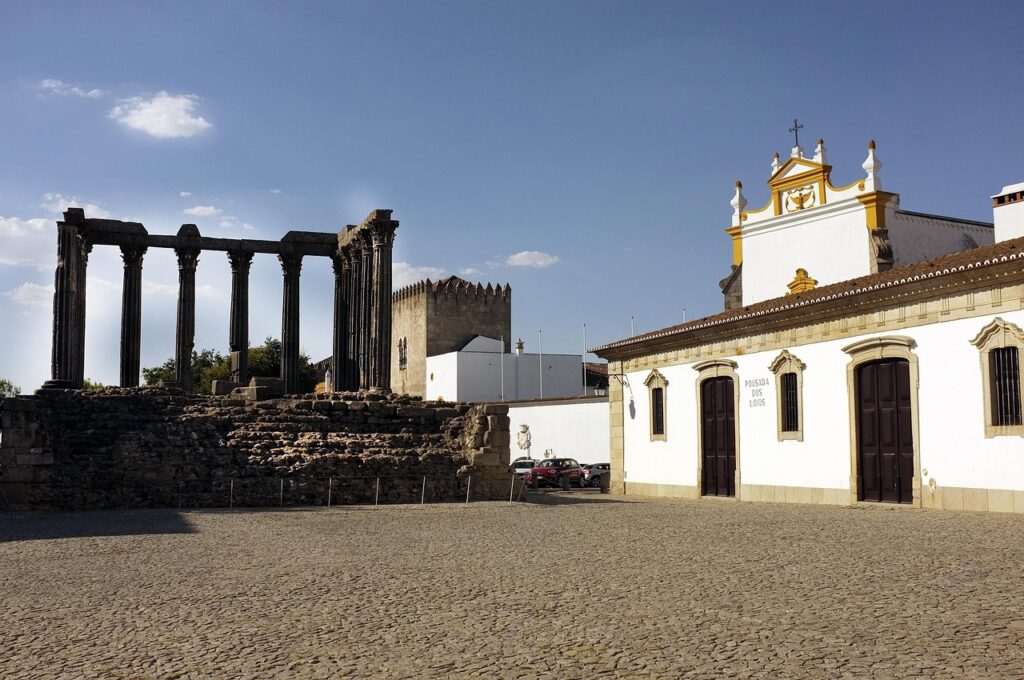
Évora Isn’t Just a Day Trip It’s the Soul of Portugal You’ve Been Missing
Discover why Évora is more than a stopover. From UNESCO-listed history and Roman ruins to bold Alentejo wines and quiet cobbled streets, this is Portugal at its most authentic.
Why Évora Is More Than a Day Trip
Most travelers pass through Évora on a rushed day trip from Lisbon, snap a photo of the Roman Temple, and move on. But for those who linger just a little longer, something truly extraordinary begins to unfold. In fact, what you discover is increasingly rare in modern Europe: a living city where history isn’t simply behind museum glass. Instead, it pulses beneath your feet, sparkles in your wine glass, and whispers through the streets long after sunset. And as you wander further, each turn, each café, and each cobblestone seems to tell its own story. Moreover, the more you explore, the more the city reveals itself—not as a relic of the past, but as a vibrant, breathing place where every moment feels alive.And the more you wander, the more stories you uncover—each corner, each café, each cobblestone revealing a piece of the past that feels alive today.
Set in the sunbaked plains of southern Portugal’s Alentejo region, Évora is a UNESCO World Heritage Site for good reason. Few places allow you to walk from a 2,000-year-old Roman temple straight into a haunting 17th-century monument—all in the same morning. And as you wander between them, you begin to feel how the past and present coexist, blending seamlessly in ways that are increasingly rare today.
Walking Through 2,000 Years of Portuguese History
Évora’s most unforgettable stop is the Chapel of Bones (Capela dos Ossos), built by Franciscan monks and lined with the remains of over 5,000 souls. Above the entrance, an inscription reads:
“We bones, lying here bare, await yours.”
It’s not meant to terrify it’s a reminder. Life is fleeting. Time matters. Travel deeply.
Food, Wine, and the Everyday Life of Évora
By afternoon, the mood shifts. Praça do Giraldo hums with everyday life: locals sipping espresso, university students lingering over pastries, and small taverns serving slow-cooked pork with migas — a humble Alentejo dish that tastes like comfort itself.
And because Évora sits at the heart of one of Portugal’s best wine regions, every meal is paired with a bold Alentejo red that often costs less than your morning coffee back home.
Why Évora Feels Different From the Rest of Portugal
What truly sets Évora apart isn’t a single attraction it’s the pace.
There are no cruise crowds funneling between landmarks. No plastic souvenirs or forced performances. Just sunlight on whitewashed walls, church bells marking the hours, and long silences broken only by footsteps on stone.
To experience Évora at its best, visit in May or September to avoid the summer heat, and stay at least two nights. This is not a place to rush.
Évora isn’t a checklist destination. It’s a state of mind. And if you treat it like a stopover, you’ll miss the very reason you came to Portugal in the first place: soul.
Share this content:


Post Comment