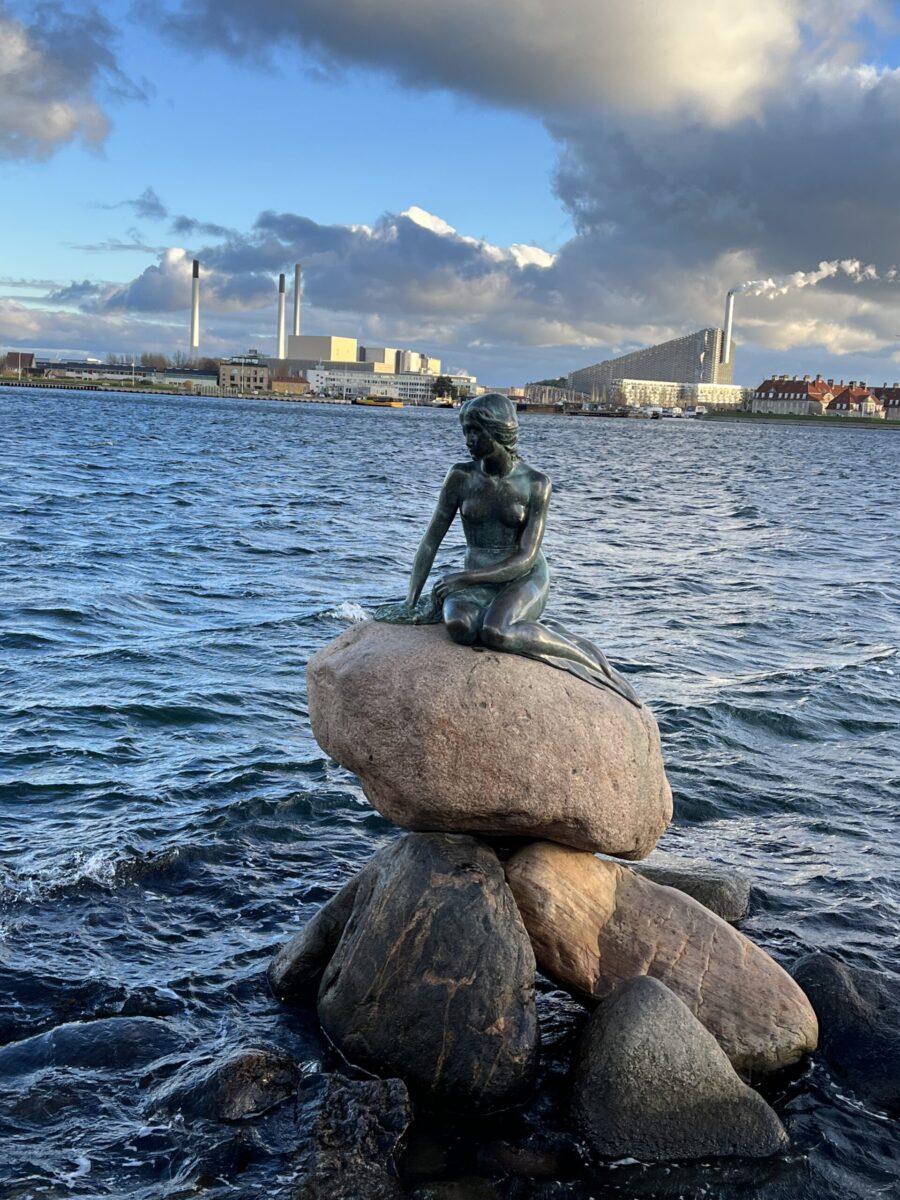
🇩🇰 Copenhagen, Denmark: A First-Person Journey Into a Country That Lives With Intention

I arrived in Copenhagen thinking I understood Scandinavia.
I was wrong.
Denmark didn’t impress me instantly. It revealed itself slowly through habits, spaces, silence, and a relationship with nature that felt deeply integrated into daily life. This wasn’t a destination designed to entertain. It was a place designed to function well for the people who live here.
And once I started paying attention, everything changed.
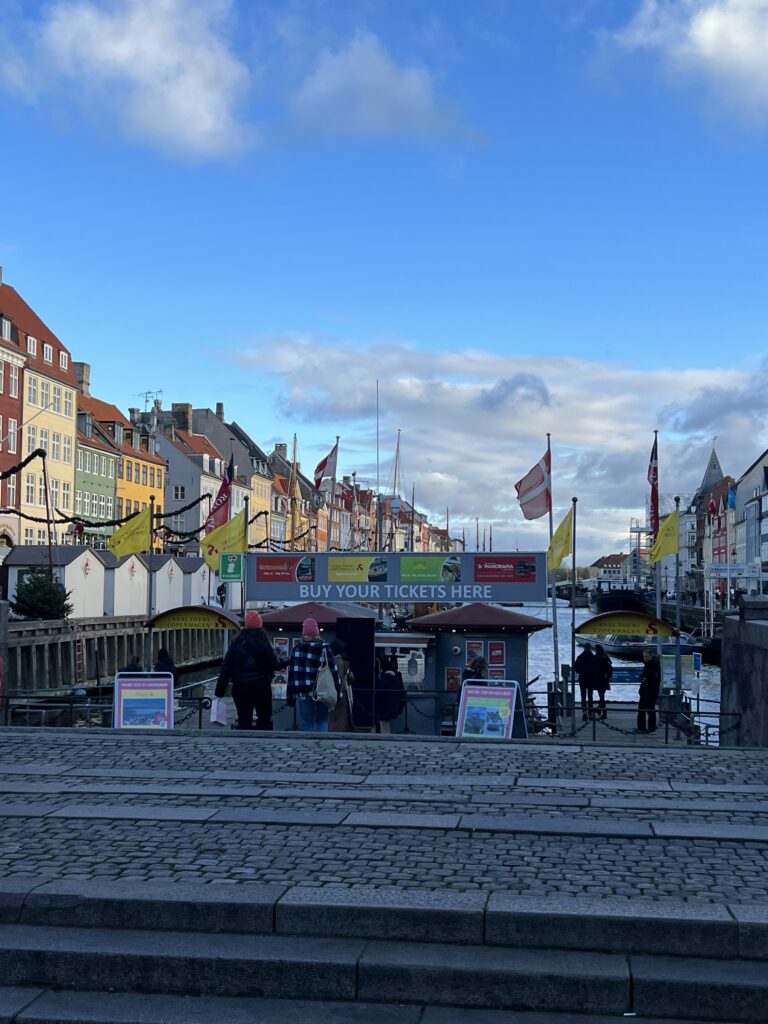
Copenhagen Architecture: How the City Is Designed for Humans, Not Tourists
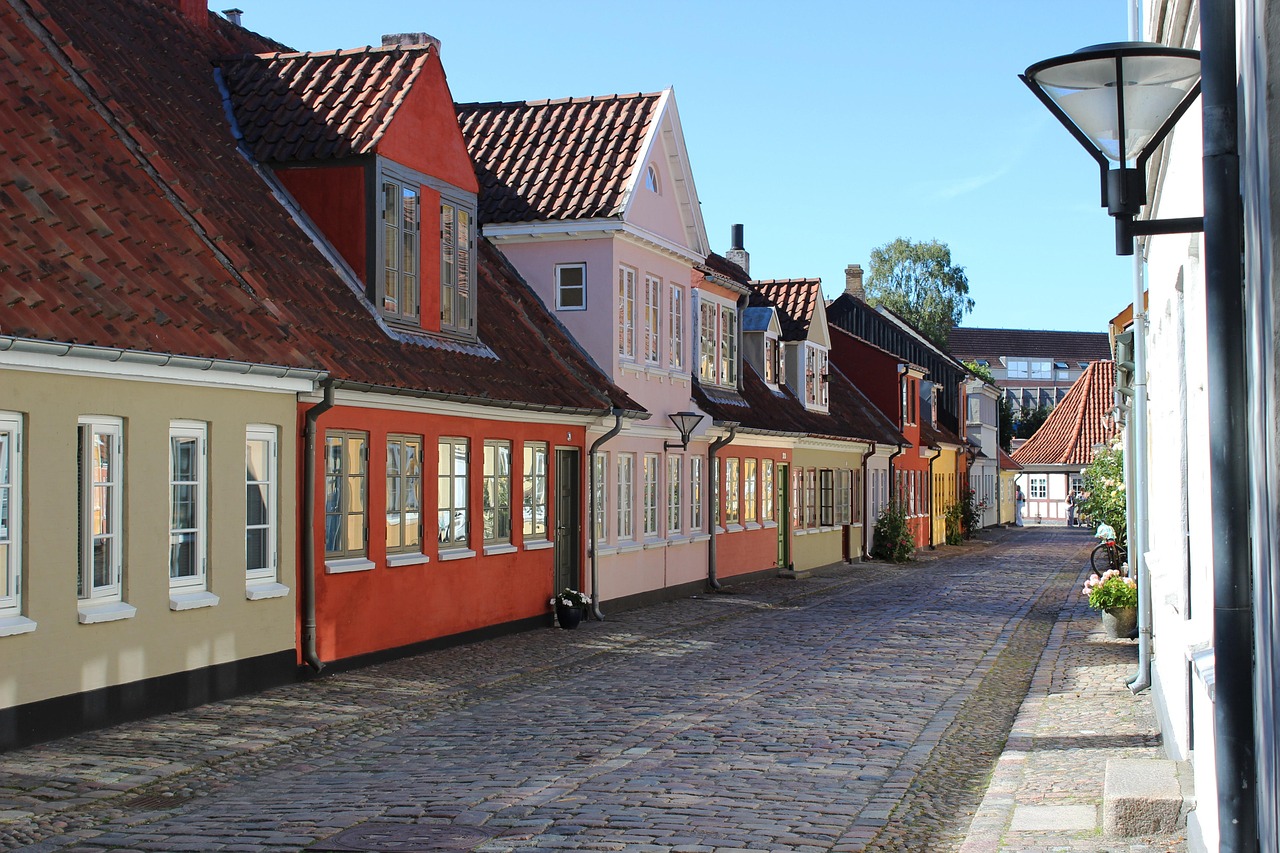
Copenhagen’s architecture doesn’t scream for attention. It whispers intention.
Walking through the city, I noticed how buildings serve people instead of dominating them. Sidewalks are wide. Bike lanes feel safer than many car lanes elsewhere. Public spaces are meant to be used, not photographed.
What struck me most was how light is treated. In winter, when daylight is limited, buildings are designed to capture it. Windows are generous. Interiors feel warm even when the sky is gray.
Neighborhoods like Nørrebro and Vesterbro show how old industrial structures were transformed into livable spaces without erasing their past. Nothing feels rushed. Nothing feels random.
This is urban planning as a form of care.
The Troll Hunt: Finding Denmark’s Playful Soul Beyond the City
One of the most unexpectedly meaningful experiences I had in Denmark came from following wooden giants.
The “troll hunt” created by Thomas Dambo isn’t a tourist attraction in the traditional sense. There are no ticket booths. No signs pointing the way.
I had to search.
Each troll is hidden in forests, parks, or forgotten corners. Finding them required walking, getting lost, and trusting curiosity. And that felt symbolic of Denmark itself.
The trolls are playful, but they also carry a message about sustainability, reuse, and reconnecting with nature. They turn exploration into participation.
I didn’t feel like I was consuming art. I felt like I was part of it.
Amager Beach at Sunset: When the Capital Feels Like a Coastal Village
At Amager Strandpark, Copenhagen slows down.
I went there in the early evening, when locals arrive after work. Some swim. Some jog. Others sit silently facing the sea. No one rushes the sunset.
As the sky shifted colors, the city behind me seemed irrelevant. What mattered was the horizon, the quiet conversations, the feeling that life didn’t need to be optimized at that moment.
This is where Copenhagen feels most honest.
Kastrup Sea Bath: Cold Water as a Reset Button
Near the airport, the Kastrup Sea Bath stretches into the Baltic Sea like a minimalist sculpture.
Locals swim here year-round. Even in winter.
I followed them once. The cold was shocking. Brutal. And then clarifying. Every distraction disappeared the moment I entered the water.
Coming out, wrapped in a towel, I felt lighter. More present.
Denmark doesn’t avoid discomfort. It uses it intentionally.
Winter Saunas: Warmth as a Social Ritual
Saunas in Denmark aren’t about luxury. They’re about balance.
Cold water followed by warmth. Silence followed by conversation. Solitude followed by community.
I learned quickly that these spaces are shared respectfully. Voices are low. Time slows down. And warmth becomes something collective, not private.
It’s not about escaping winter.
It’s about coexisting with it.
Tivoli Gardens: Why Nostalgia Still Matters
Visiting Tivoli Gardens felt like stepping into a memory — even if it wasn’t mine.
Tivoli isn’t modern. It doesn’t try to be. Lights glow softly at night. Music floats between paths. Adults smile without irony.
What makes Tivoli special is its atmosphere. It reminds you that joy doesn’t need reinvention. It needs care.
Christiania: An Ongoing Experiment in Living Differently
Christiania is uncomfortable in the best possible way.
It doesn’t offer easy answers. It raises questions.
Walking through it, I felt tension between freedom and structure, community and conflict. Art covers walls. Rules are implicit. Life happens publicly.
Christiania isn’t perfect. That’s the point. It’s a place that refuses to be simplified.
What Denmark Taught Me About Living Well
Denmark didn’t teach me how to travel.
It taught me how to pause.
This country values coherence over speed, intention over excess, and community over spectacle. From architecture to nature, from cold swims to warm saunas, everything feels connected.
I didn’t leave Denmark inspired to do more.
I left inspired to do less better.
👉 If this kind of experience-driven travel speaks to you, then explore the other articles on the blog.
Along the way, I share real stories, local rhythms, and places that often only reveal themselves when, and only when, you slow down enough to truly notice.
Share this content:


Post Comment