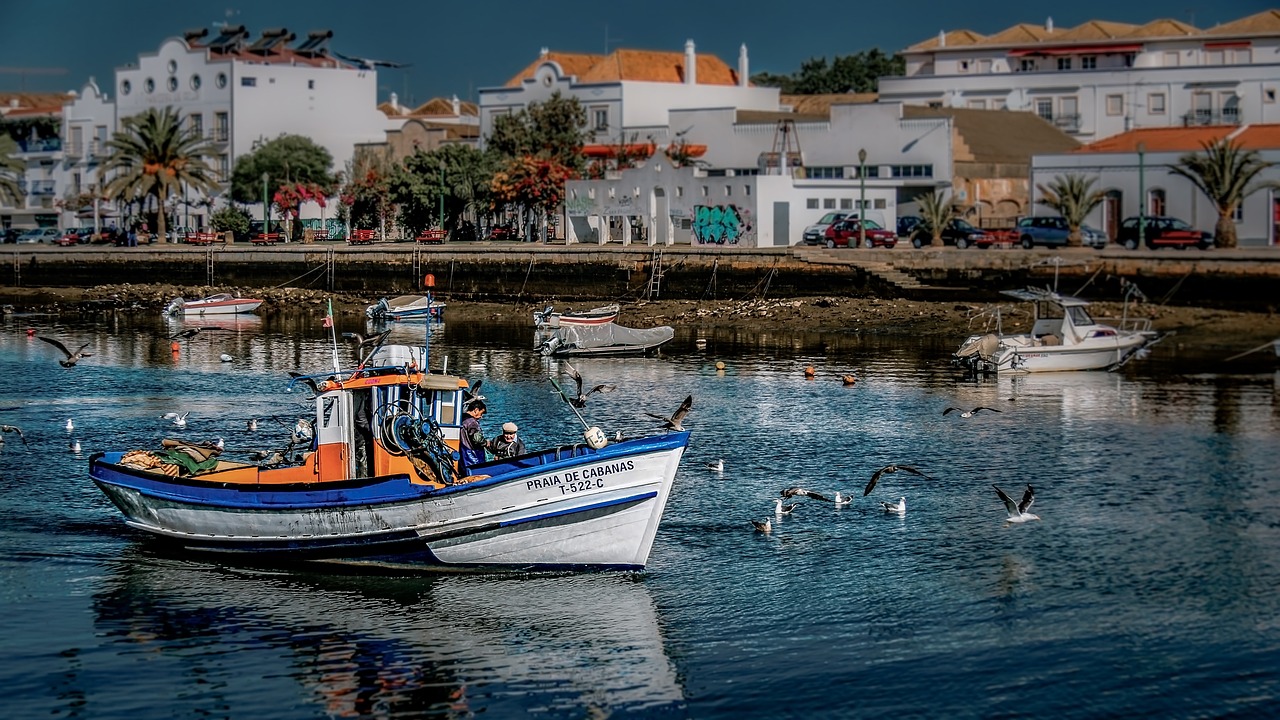
The Algarve Beyond the Beaches: Where Portugal’s True South Still Lives

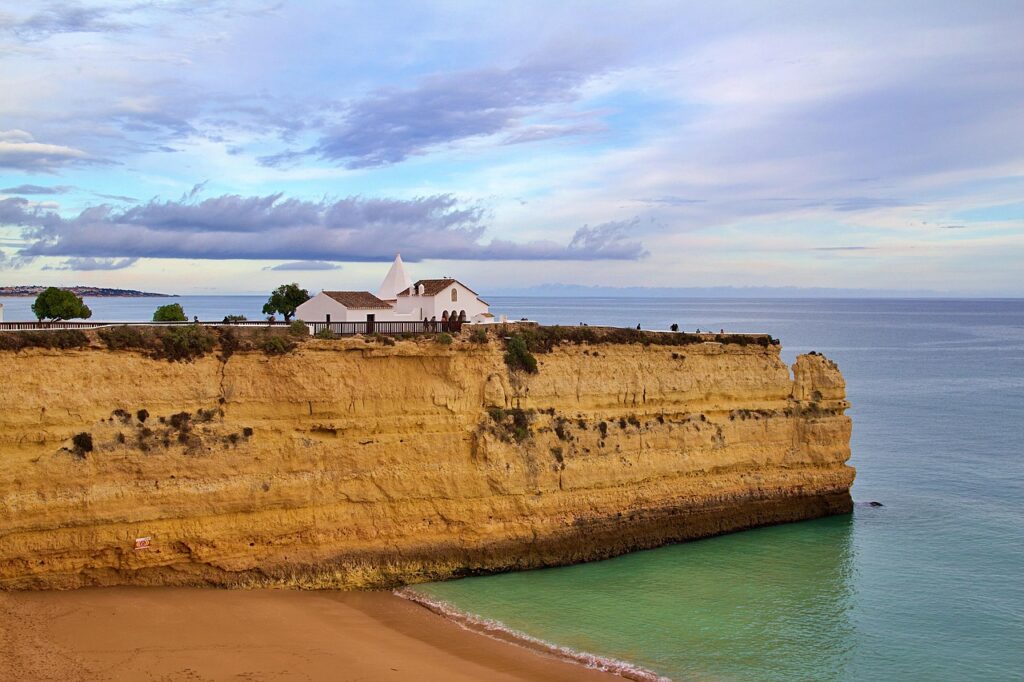
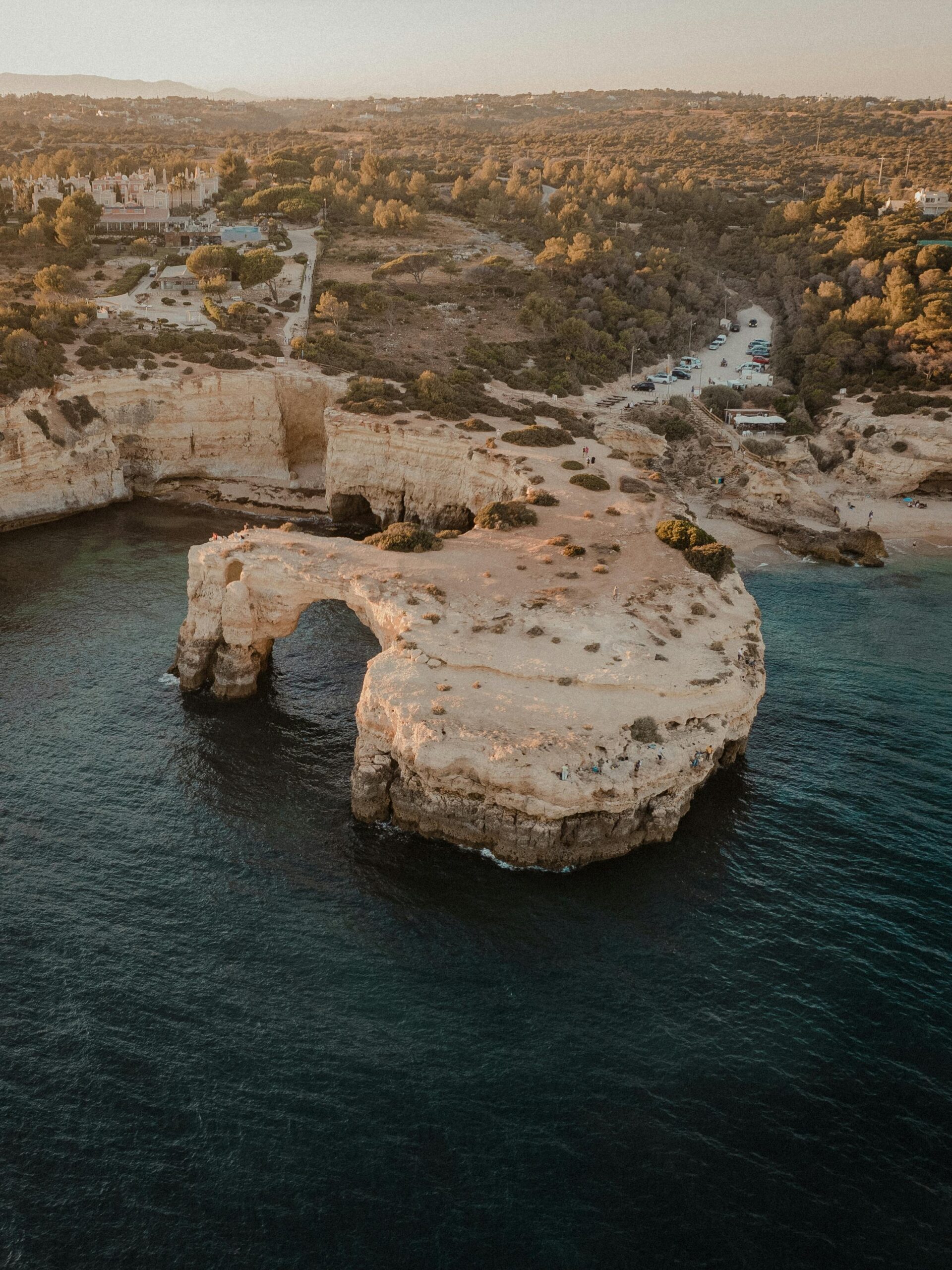
Most people come to the Algarve chasing images they’ve already seen. Benagil Cave. Ponta da Piedade. Praia da Marinha. And yes, those places are beautiful. I’ve been there too. But if beaches are all you experience, you leave with only half the story.
I learned quickly that the real Algarve begins when you turn inland.
Why the Algarve’s Soul Lives Beyond the Coast
Away from the shoreline, the landscape changes. Cork oak forests replace beach clubs. Hilltop villages replace resorts. Life slows down. Farmers still harvest almonds by hand, ceramicists shape clay using techniques passed down through generations, and tourism feels like a guest — not the reason for existence.
This is the Algarve that doesn’t advertise itself.
Tavira: Elegance, Calm, and the Eastern Algarve
My first stop inland was Tavira. Graceful and understated, it feels worlds apart from the west. I crossed its Roman bridge at sunset, wandered past pastel-colored mansions, and watched the Gilão River reflect the fading light.
From Tavira, I took a small ferry to Ilha de Tavira — an 11-kilometer stretch of sand backed by pine trees and calm Atlantic waters. Even in July, it felt peaceful. No rush. No noise. Just space.
São Brás de Alportel and the Craft of the Algarve
Heading north, I reached São Brás de Alportel, a town that quietly carries the region’s craft traditions. Family workshops here still produce hand-painted pottery and cork goods. Portugal supplies more than half of the world’s cork, and much of it comes from these surrounding hills.
During the annual cork festival, I watched artisans demonstrate techniques that haven’t changed in centuries. It felt less like a show and more like daily life.
Monchique: Mountains, Mist, and a Different Algarve
For cooler air and forest trails, I drove to Monchique, tucked into the Serra de Monchique. Here, chestnut honey, thermal springs, and eucalyptus-scented paths define the rhythm of life.
From Foia, the Algarve’s highest point, I could see the entire southern coast on a clear day. Later, I tasted medronho — a strong local brandy made from arbutus berries — and understood why this region feels so grounded.
The Algarve That Doesn’t Perform
This inland Algarve doesn’t market itself. It doesn’t need to. It exists quietly, shaped by land, tradition, and people who stay rooted.
Yes, visit the caves. Enjoy the beaches. But don’t stop there. The true south of Portugal lives in its soil, its villages, and its stories — and it reveals itself only when you slow down.
👉 If you want to keep exploring this deeper side of Portugal, I invite you to read more articles on our blog, where I share real experiences, lesser-known places, and thoughtful travel insights beyond the obvious routes.
Every time you “buy me a coffee,” you’re not just supporting a blog—you’re helping turn the world into a classroom.
Your generosity keeps Nomad Pathways alive: it powers train tickets to forgotten villages, hostel stays in cobblestone alleys, and conversations with locals who share stories no guidebook can capture.
If this kind of travel speaks to you, Explore our other in-depth articles to discover real experiences, lesser-known places, and practical tips for traveling with more depth and intention.
And if you’re planning your next journey, don’t forget to check out our traveler-focused shop, carefully curated with essentials I personally use on the road — tools that make travel smoother, lighter, and more meaningful.
Unpack. Explore. Stay curious.
Share this content:


Post Comment