Life in Bangkok, Thailand: A Real Experience Beyond Tourist Attractions

Bangkok was one of those cities that challenged my expectations from the very first day. I arrived thinking I was prepared for the noise, the traffic, and the intensity often described by other travelers, but living in Bangkok is very different from visiting it for a few days. The city does not try to impress you. Instead, it forces you to adapt to its rhythm, its contradictions, and its daily routines. Over time, that initial sense of overload slowly transformed into familiarity and respect.
Staying longer allowed me to understand Bangkok not only as a tourist destination, but as a city where millions of people build their lives every single day.
First impressions and the reality of the city
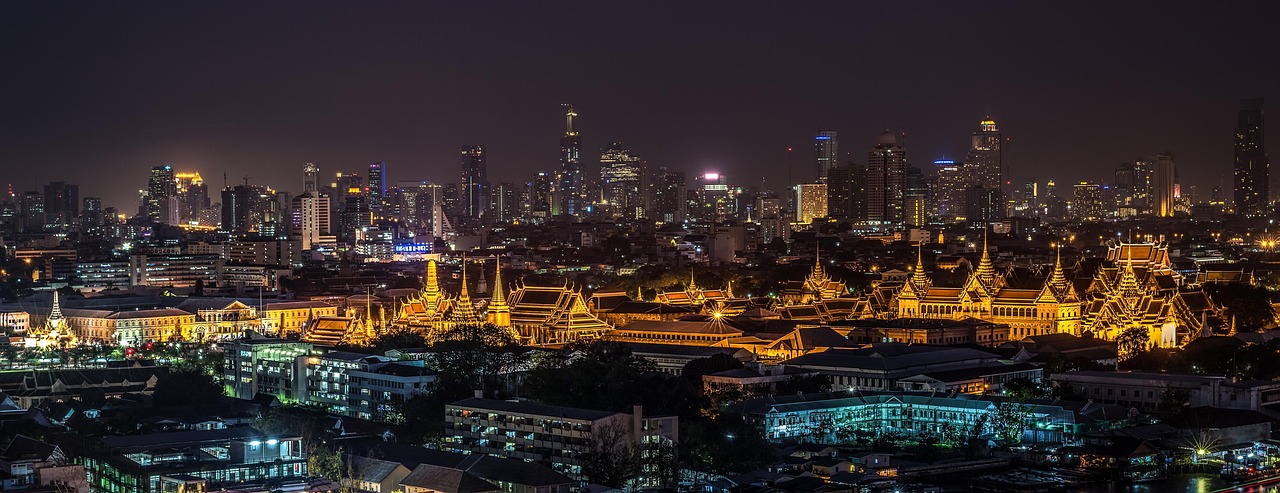
During my first days in Bangkok, everything felt intense. The heat was constant, the streets were crowded, and movement never seemed to stop. Luxury shopping malls existed just a few steps away from street vendors cooking meals over gas burners. Temples stood quietly beside busy avenues filled with cars and motorcycles. This contrast was confusing at first, but it soon became one of the defining characteristics of the city.
Instead of trying to escape the chaos, I realized that the best way to live in Bangkok was to accept it and learn how to move within it.
Daily life and adapting to Bangkok’s rhythm
Once I settled into a routine, Bangkok became more manageable. I stopped planning my days around attractions and started organising them around practical needs. Simple things like knowing where to eat breakfast, which streets to avoid during rush hour, and how to combine walking with public transportation made a huge difference.
Living in Bangkok rewards familiarity. The more predictable your habits become, the easier the city feels. Neighborhoods start to make sense, distances become relative, and daily life feels less overwhelming.
Eating in Bangkok: street food as everyday life
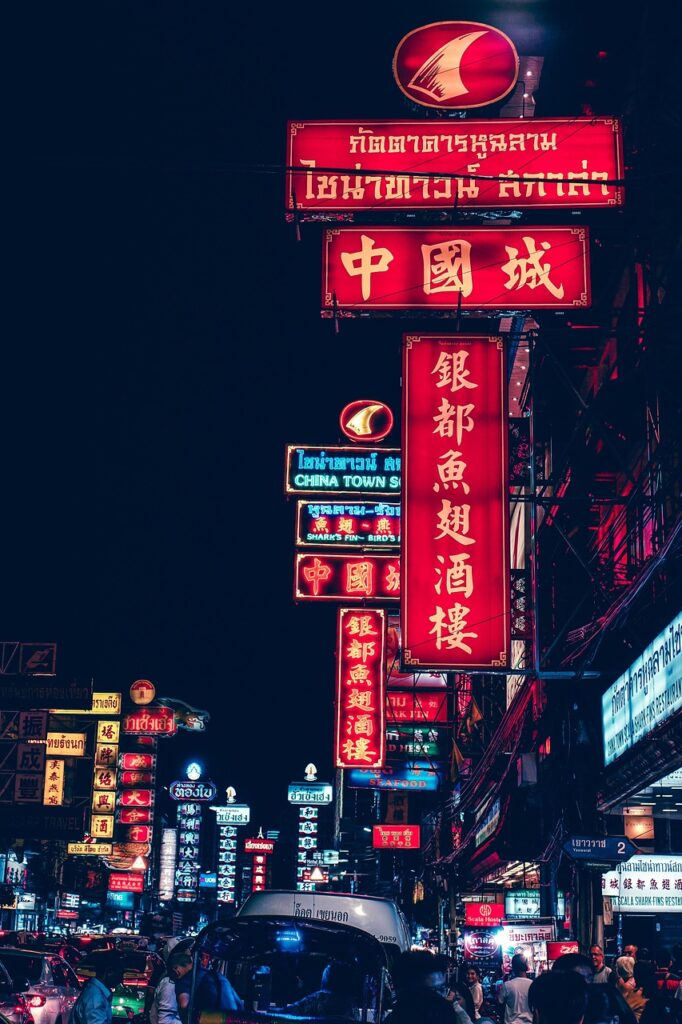
Food played a central role in my experience of living in Bangkok. Instead of focusing on restaurants aimed at tourists, I ate mostly where locals did. Street food stalls became part of my daily routine, offering quick, affordable, and consistently good meals.
I regularly ate noodle soups, rice dishes, grilled meats, and fresh fruit bought directly from vendors who had been cooking the same food for years. There were no menus in English and no elaborate explanations. Food was practical, efficient, and deeply connected to daily life in the city.
Eating this way made Bangkok feel less foreign and helped me integrate naturally into its rhythm.
Exploring Bangkok beyond famous landmarks
Temples as part of daily life
Temples in Bangkok were not just tourist attractions for me. They functioned as quiet spaces where daily life slowed down. I often passed through them to take a break from the noise rather than to take photos.
Neighborhoods instead of highlights
Areas like Ari and Thonglor gave me a better understanding of how locals live. Cafés, small restaurants, and markets catered to residents rather than visitors, offering a more realistic view of the city.
Markets and evenings in the city
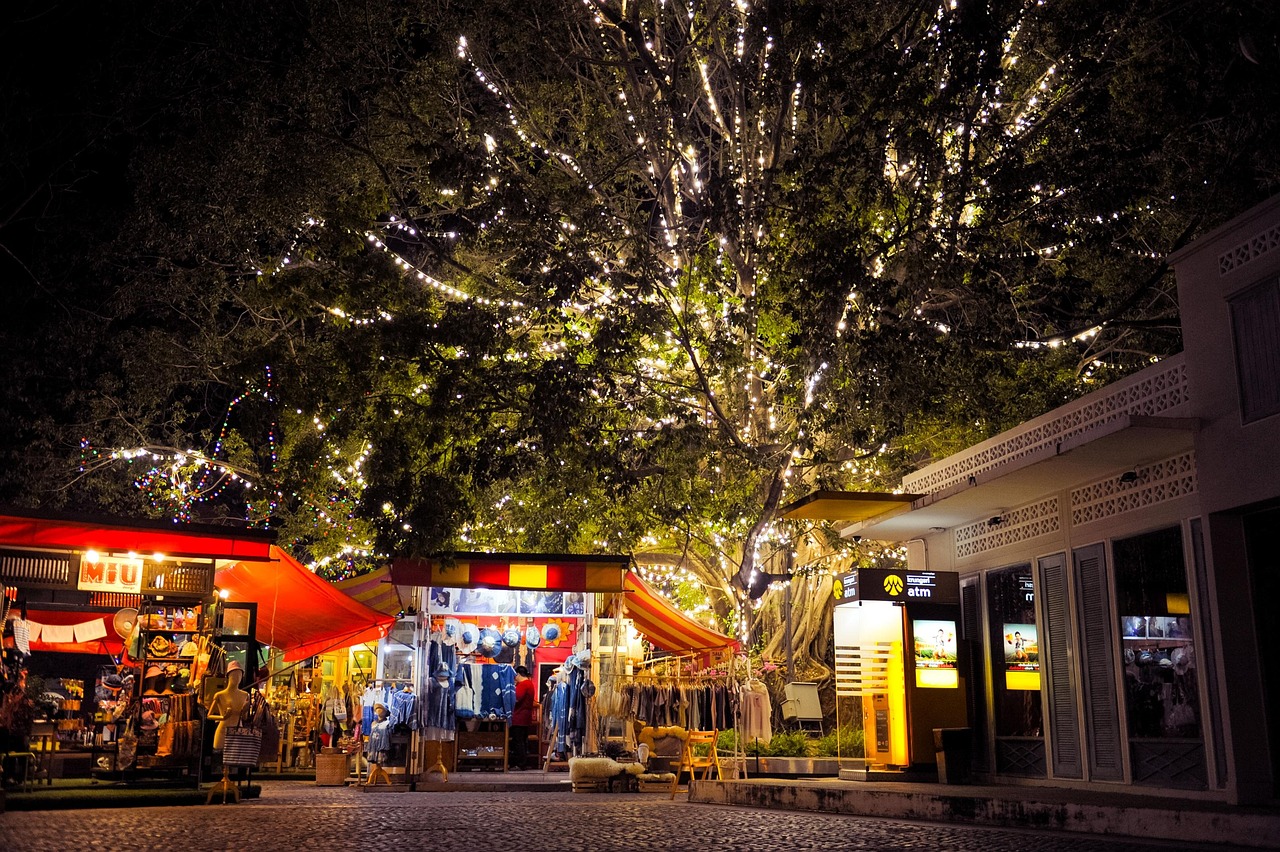
Night markets were less about shopping and more about social life. Families, couples, and friends gathered to eat, walk, and relax after long workdays. These spaces revealed a softer side of Bangkok that many short-term visitors miss.
Transportation and moving like a local
Transportation is one of the most important aspects of living in Bangkok. While traffic can be heavy, the BTS Skytrain and MRT subway system are reliable and efficient. Learning how to combine public transport with walking helped me save time and avoid unnecessary stress.
Taxis and motorbike rides were useful in specific situations, especially outside peak hours. Understanding timing was essential. In Bangkok, movement is not about speed but about choosing the right moment.
What living in Bangkok taught me
Living in Bangkok changed the way I understand large cities. It taught me patience, adaptability, and the importance of routine. The city does not slow down for you, but once you learn how to move with it, life becomes surprisingly manageable.
Bangkok is not comfortable in a traditional sense, but it is deeply human. It challenges you, but it also gives back in the form of energy, resilience, and perspective.
Conclusion: leaving Bangkok with a different mindset
When I left Bangkok, I did not feel rested, but I felt more aware. The city sharpened my ability to adapt and made me more comfortable with complexity and contrast. Bangkok did not give me a polished experience. It gave me a real one.
That is what made living in Bangkok meaningful.
Continue exploring Thailand
If you are interested in deeper, experience-based travel stories, you can continue reading:
- Living in Phuket, Thailand: A Slow Travel Experience
- Slow Travel in Thailand: Staying Longer and Living Better
- Eating Like a Local in Thailand: Everyday Food Experiences
If this kind of experience-driven travel speaks to you, then explore the other articles on the blog.
Along the way, I share real stories, local rhythms, and places that often only reveal themselves when, and only when, you slow down enough to truly notice.
Every time you “buy me a coffee,” you’re not just supporting a blog—you’re helping turn the world into a classroom.
Your generosity keeps Nomad Pathways alive: it powers train tickets to forgotten villages, hostel stays in cobblestone alleys, and conversations with locals who share stories no guidebook can capture Are You Packing Everything You Really Need for Your Next Trip?
Don’t let missing essentials ruin your adventure! From top-rated luggage to travel-friendly clothes and clever accessories, our ultimate travel checklist ensures you pack smarter, travel lighter, and enjoy every moment.Click the link to uncover the must-have travel items every globetrotter swears by.
[See the ultimate travel essentials now!]
Share this content:



Post Comment